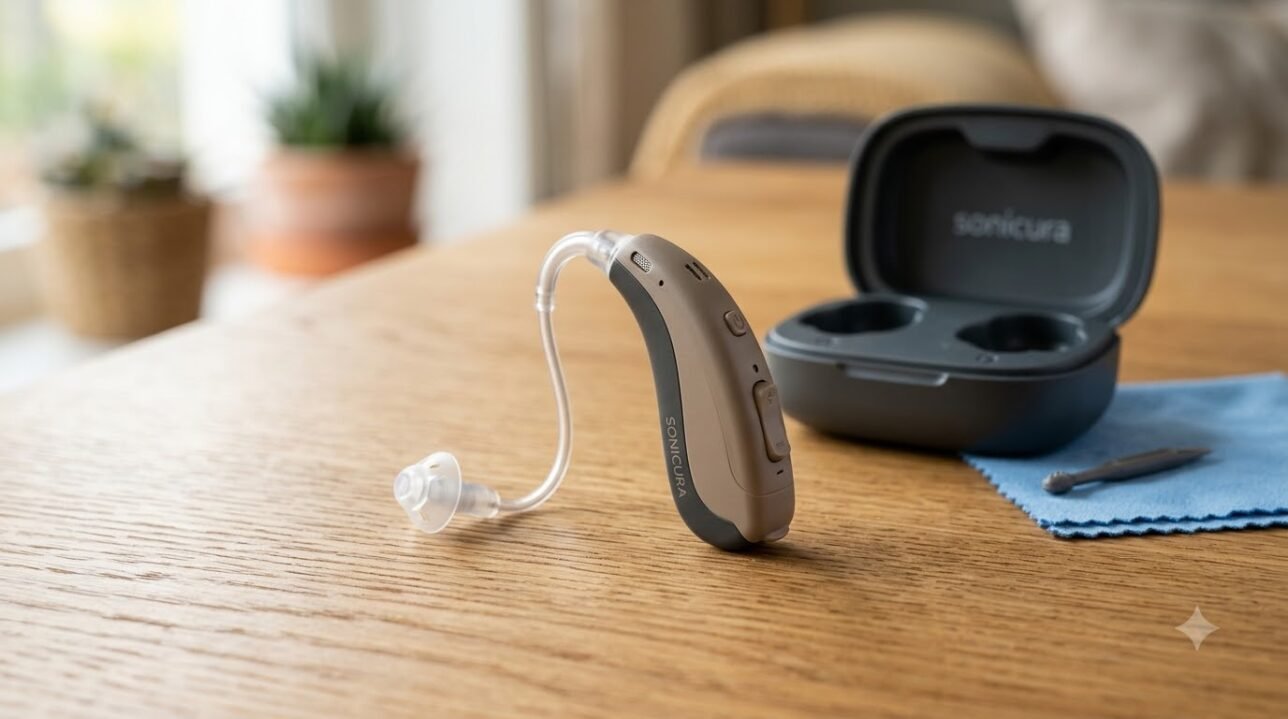

When individuals first notice subtle changes in their auditory clarity, researching the vast landscape of modern hearing technology can feel overwhelming. With dozens of global manufacturers, varying technology levels, and a wide spectrum of costs across the Australian market, making an informed choice requires looking past basic marketing claims. To navigate these options effectively and understand which features align with your personal budget, taking time to compare hearing aid prices alongside specific functional tiers helps ensure you invest in a device that genuinely enhances your daily communication.
Evaluating hearing technology is not simply about choosing the most expensive model on the market. Instead, making a confident decision relies on matching specific device capabilities to your acoustic environments, physical comfort preferences, and long-term audiological care needs.
Matching Technology Tiers to Your Acoustic Lifestyle
Hearing devices are categorized into distinct performance levels, ranging from essential entry-level models to sophisticated premium tiers. The primary difference between these levels lies not in basic amplification, but in how intelligently the internal computer processor handles complex, noisy environments.
Understanding your primary daily routines helps narrow down the appropriate technology tier:
- Essential / Entry-Level: Ideal for individuals who spend most of their time in quiet, predictable environments, such as one-on-one conversations at home, watching television, or reading. These devices offer clean amplification and basic feedback management.
- Mid-Range / Standard: Well-suited for moderate social engagement, such as small family gatherings, quiet cafes, neighborhood walks, and church services. They feature automated directional microphones that reduce background noise from behind while focusing on speech in front of you.
- Premium / High-Performance: Designed for active lifestyles involving crowded restaurants, busy sporting events, outdoor wind noise, and large group meetings. Premium processors utilise artificial intelligence and acoustic sensors to continuously monitor the surrounding environment, instantly isolating human speech from competing background clamour.
Key Functional Features That Redefine Daily Convenience
Beyond core sound processing, modern hearing aids offer several physical and digital features that significantly impact daily usability and long-term satisfaction:
- Rechargeable Lithium-Ion Batteries: Traditional button batteries require frequent replacement and delicate physical handling, which can be challenging for individuals with limited dexterity. Modern rechargeable devices sit in a compact charging dock overnight, offering up to twenty-four hours of continuous operation on a single charge.
- Direct Bluetooth Connectivity: Modern hearing devices connect directly to Apple iOS and Android smartphones, tablets, and televisions. This allows phone calls, podcasts, music, and GPS navigation to stream directly into your ears with exceptional clarity.
- Form Factor and Discretion: Devices come in several physical styles, including Receiver-in-Canal (RIC), Behind-the-Ear (BTE), and completely custom In-the-Canal (ITC) options. Choosing the right style depends on the shape of your ear canal, your degree of hearing loss, and your personal aesthetic preference.
The Role of Professional Audiological Fitting and Ongoing Care
A hearing aid is only as effective as the professional clinical fitting behind it. Even the most advanced, high-tier device will perform poorly if it is not accurately calibrated to your unique ear canal acoustics and personal hearing threshold profile.
When evaluating your purchasing options, verifying what is included in your clinical care package is essential:
- Comprehensive Diagnostic Assessments: Ensuring your initial test includes full air conduction, bone conduction, and speech discrimination testing under controlled clinical conditions.
- Real-Ear Measurements (REM): A clinical gold-standard verification process where a tiny probe microphone is placed inside your ear canal to measure the exact sound levels output by the device, guaranteeing accurate prescription target matching.
- Ongoing Follow-Up and Maintenance: Successful adaptation to new hearing technology takes time. Confirming whether your purchase includes initial trial periods, ongoing fine-tuning adjustments, annual diagnostic re-tests, and warranty coverage protects your investment for years to come.
By systematic evaluation of your acoustic lifestyle, functional feature preferences, and professional clinical support requirements, you can select a hearing solution that provides exceptional clarity, long-term comfort, and genuine value.
References
- Audiology Australia (AudA): Professional Practice Standards for Hearing Device Assessment, Fitting, and Rehabilitation.
- Office of Hearing Services (OHS): Australian Government Hearing Services Program Standards and Clinical Guidelines.
- Journal of the American Academy of Audiology: Efficacy of Advanced Signal Processing Features in Modern Digital Hearing Aids.