
Managing physical mobility, spinal health, and neurological wellbeing is a continuous journey that evolves over a lifetime. While passive clinical therapies like joint mobilisation and soft tissue massage play a helpful role in early pain relief, long-term functional independence relies heavily on active movement. Engaging in structured, evidence-based physical activity allows the human body to build cardiovascular resilience, preserve bone density, and make the most of remaining muscular function.
For individuals navigating physical disabilities, spinal cord injuries, or chronic neurological conditions, standard gym workouts rarely offer the necessary support or safety. When exploring options for accredited exercise physiology brisbane clinicians provide, the focus shifts away from basic fitness toward retraining daily functional movement patterns. By tailoring movement routines to match unique neurological profiles, clinical exercise physiologists help clients bridge the gap between hospital rehabilitation and everyday community life.
Targeted Movement in Physical Rehabilitation
Exercise physiology focuses on how the body’s physiological systems adapt to physical activity. When a person experiences a spinal cord injury, stroke, or progressive neuromuscular condition, the nerve pathways communicating with muscle groups are disrupted. Targeted exercise prescription uses principles of neuroplasticity and muscular adaptation to retrain functional movement.
Regular, clinically supervised movement therapy delivers vital physical benefits that go well beyond muscle strength:
- Preventing Secondary Health Complications: Prolonged immobility increases the risk of secondary health challenges, such as cardiovascular disease, reduced lung capacity, bone density loss, and pressure injuries. Active movement encourages healthy blood circulation and respiratory function.
- Managing Muscle Spasticity and Joint Stiffness: Tailored stretching and active-assisted movement routines help preserve joint range of motion, reducing painful muscle spasms and preventing long-term joint contractures.
- Maximising Functional Capacity: Strengthening the muscle groups that retain full or partial nerve control allows individuals to perform daily transfers, manual wheelchair propulsion, and self-care tasks with greater ease and less physical fatigue.
Designing Programs Around Individual Capabilities
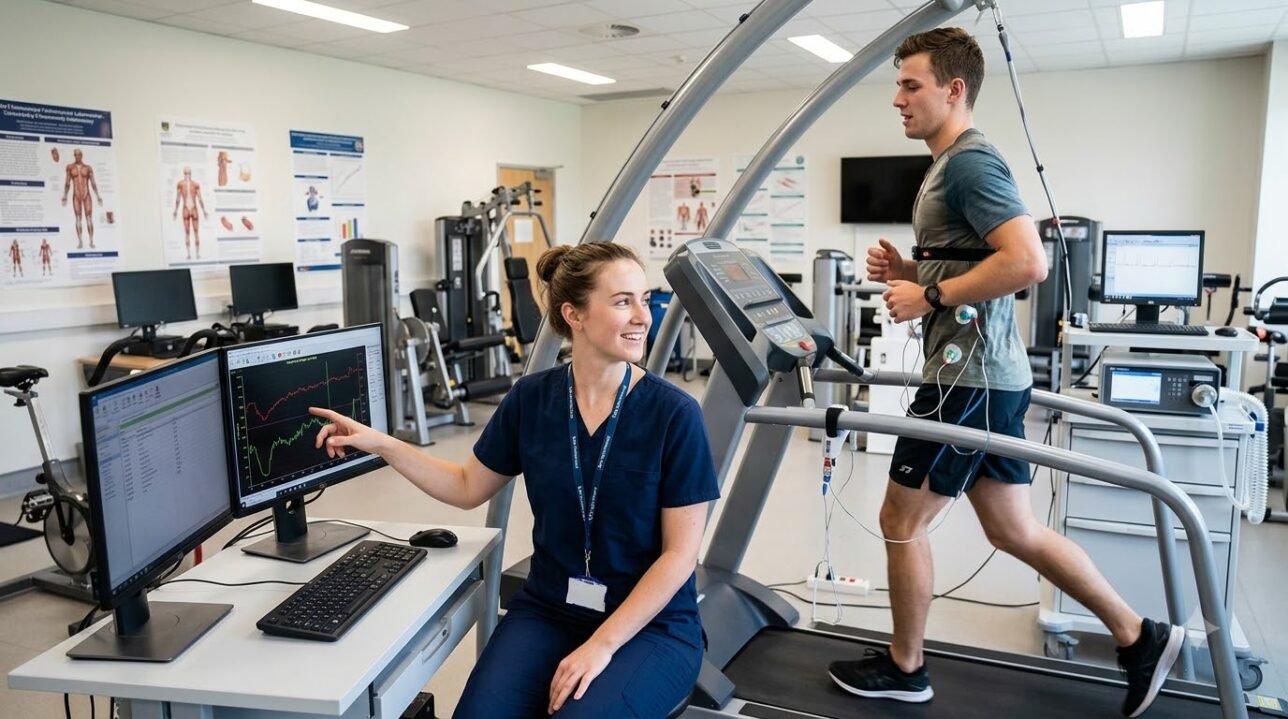
A core principle of professional exercise physiology is that no two bodies adapt in exactly the same way. An effective movement program begins with a thorough clinical assessment evaluating joint range of motion, muscle force production, posture, balance, and personal goals.
Rather than dwelling solely on physical limitations, accredited exercise physiologists pinpoint existing physical strengths and build customised routines using specialised adaptive equipment:
- Upper-Body Ergometry and Resistance Training: Designed for manual wheelchair users or individuals with lower-limb paralysis to build shoulder stability, chest strength, and upper-body endurance.
- Hydrotherapy and Aquatic Movement: Utilising the buoyancy of warm water reduces gravitational pressure on joints, allowing individuals to practice balance, gait retraining, and physical movement that might be difficult on land.
- Supported Standing and Weight-Bearing: Utilising standing frames or harness systems to place mechanical load through the lower limbs, supporting bone health and digestive function.
Empowering Mental Health and Everyday Autonomy
The benefits of active movement extend far beyond physical health. Living with a physical impairment often presents psychological challenges, including frustration, anxiety, and social isolation. Gaining physical strength and mastering new movement skills fosters a genuine sense of personal achievement and self-efficacy.
When individuals regain the physical capacity to navigate their homes, return to study or employment, and participate in community sports, their overall quality of life improves dramatically. Active movement therapy converts physical effort into meaningful personal autonomy, giving individuals the physical confidence to live life on their own terms.
References
- Exercise & Sports Science Australia (ESSA): National Practice Standards and Clinical Guidelines for Accredited Exercise Physiologists in Neurological Rehabilitation.
- Australasian Faculty of Rehabilitation Medicine (AFRM): Standards for Spinal Cord Injury Rehabilitation and Community Reintegration Services.
- Journal of NeuroEngineering and Rehabilitation: Efficacy of Targeted Exercise Interventions in Restoring Upper Limb Function and Cardiovascular Health in Spinal Cord Injury.